Underwater Acoustic Positioning

Underwater Positioning

Underwater Positioning

Underwater Acoustic Positioning

● Underwater positioning and navigation technologies are vital across a wide range of industries.

They enable tracking and navigation of uncrewed underwater vehicles, diver teams, and other subsea equipment on scientific, commercial or defense missions.

From research and environmental monitoring to construction, inspections, oil and gas exploration, recovery and defense operations, accurate and reliable information on mobile asset locations is crucial to success. For stationary subsea systems, the availability of location fixes enhances measurement data and provides awareness on displacements to trigger preventive action.

Underwater Positioning

Positioning systems at a glance

At EvoLogics, we build on a solid foundation of advanced acoustic communication and data processing to deliver reliable underwater communication and positioning systems for any project scope.

Whether you require a ready-to-use USBL solution, a custom SBL/LBL, or a hybrid system that combines the benefits of several approaches, we have the expertise and products to meet your underwater positioning needs.

[01]

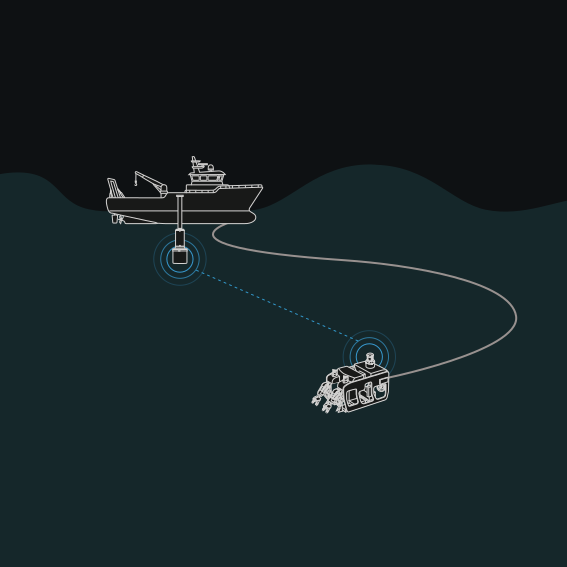
USBL

Ultra-Short Baseline:
Fast, portable, but less accurate at distance.
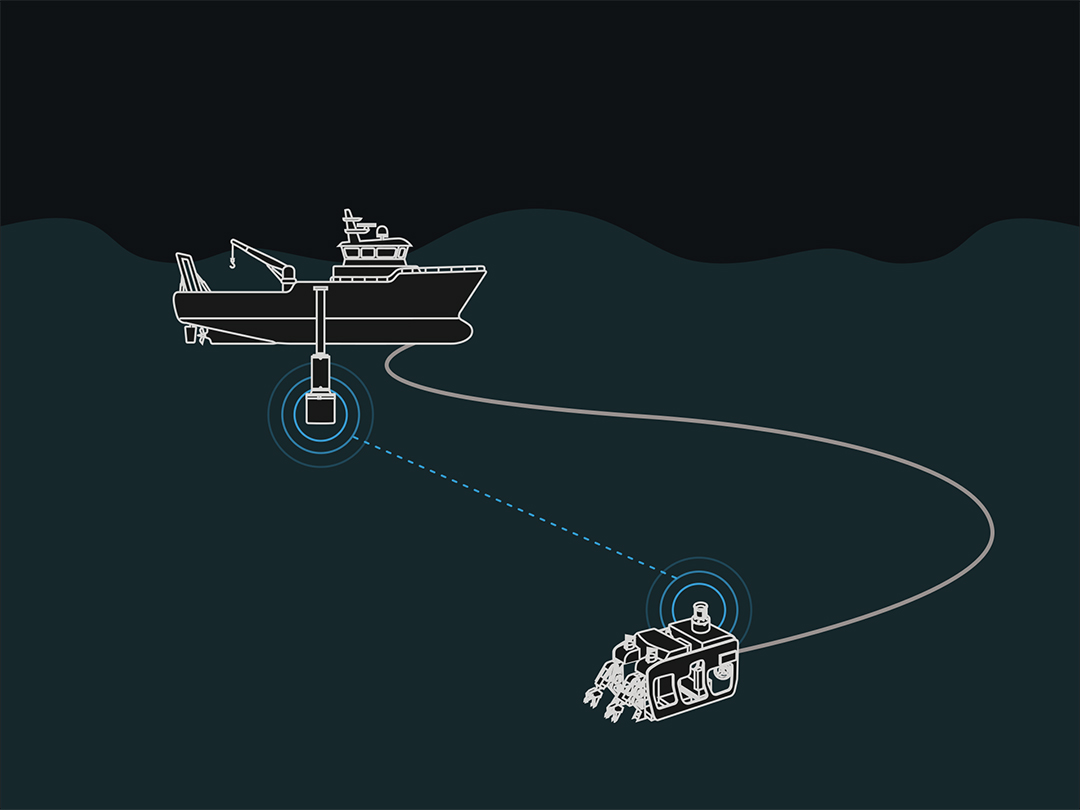
Diagram of a ship on the water connected by cable to an underwater remotely operated vehicle (ROV) with signal waves between them.

[02]

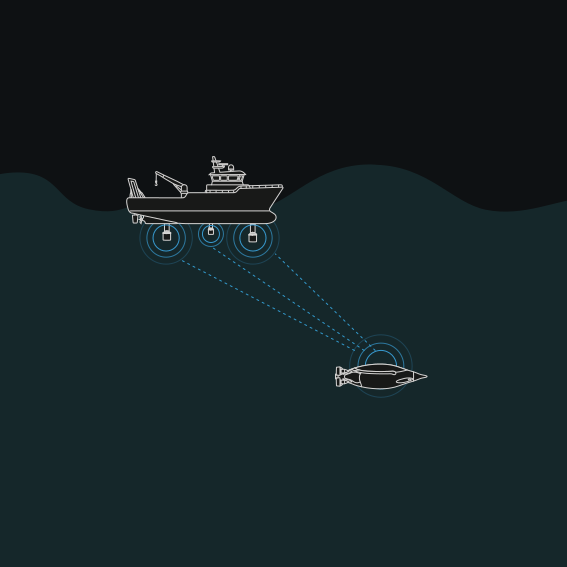
SBL

Short Baseline:
Medium accuracy, vessel-mounted installation
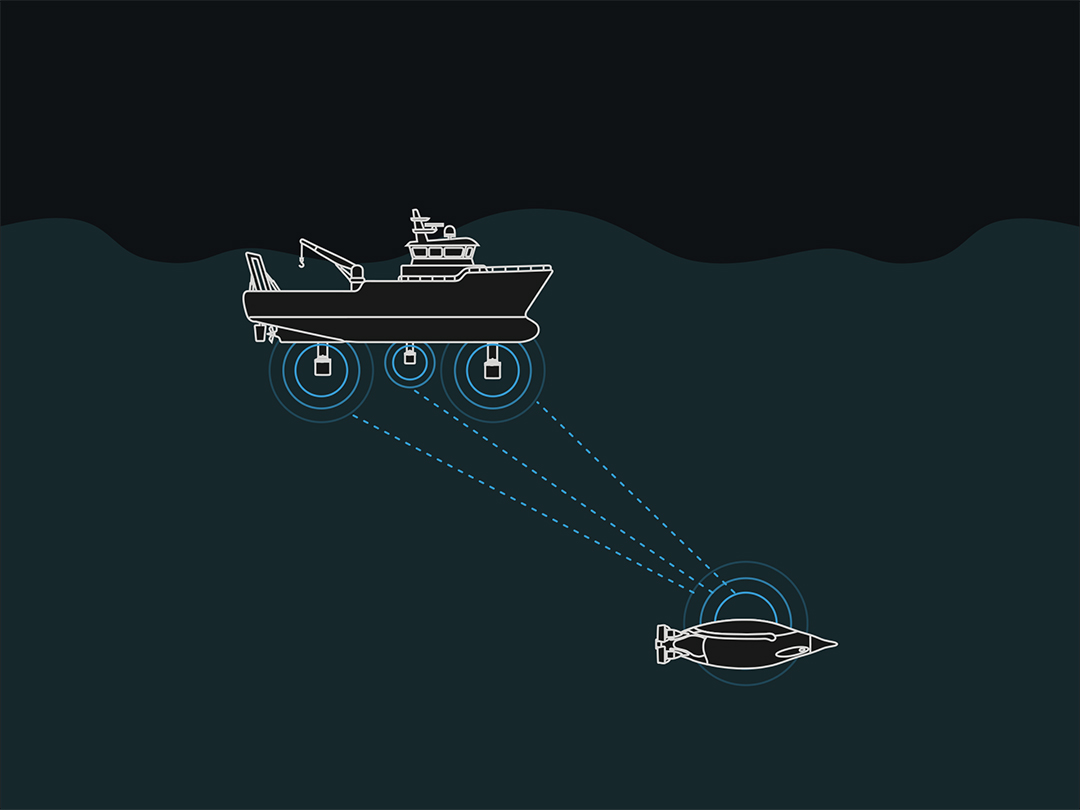
Illustration of a ship deploying underwater sensors communicating with a nearby autonomous underwater vehicle.

[03]

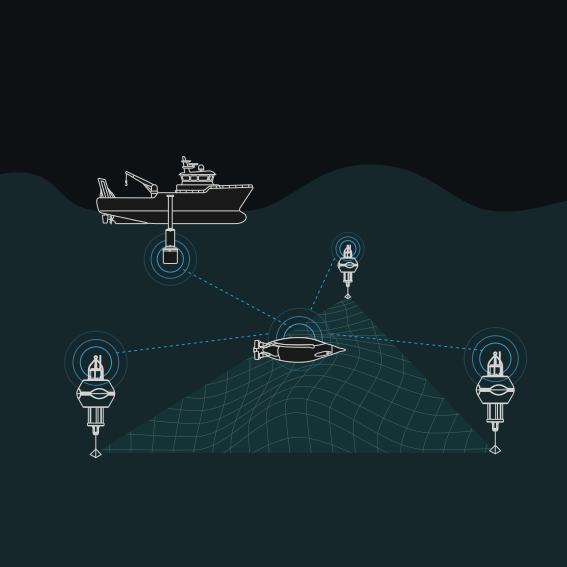
LBL

Long Baseline:
Most accurate and reliable, elaborate setup and calibration needed
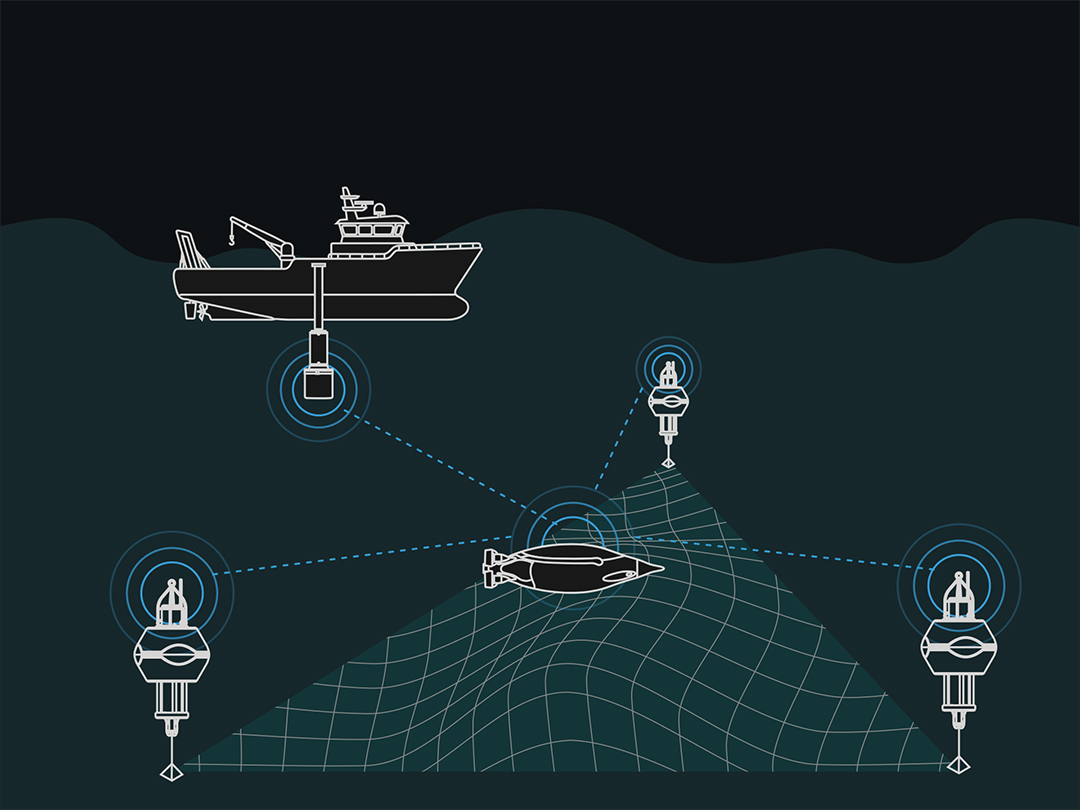
Diagram showing a ship, underwater drone, and three buoys communicating via wireless signals for underwater mapping.

Underwater Positioning

Key benefits

Our positioning solutions leverage our proprietary S2C technology to streamline subsea operations and ensure data integrity in the most demanding environments

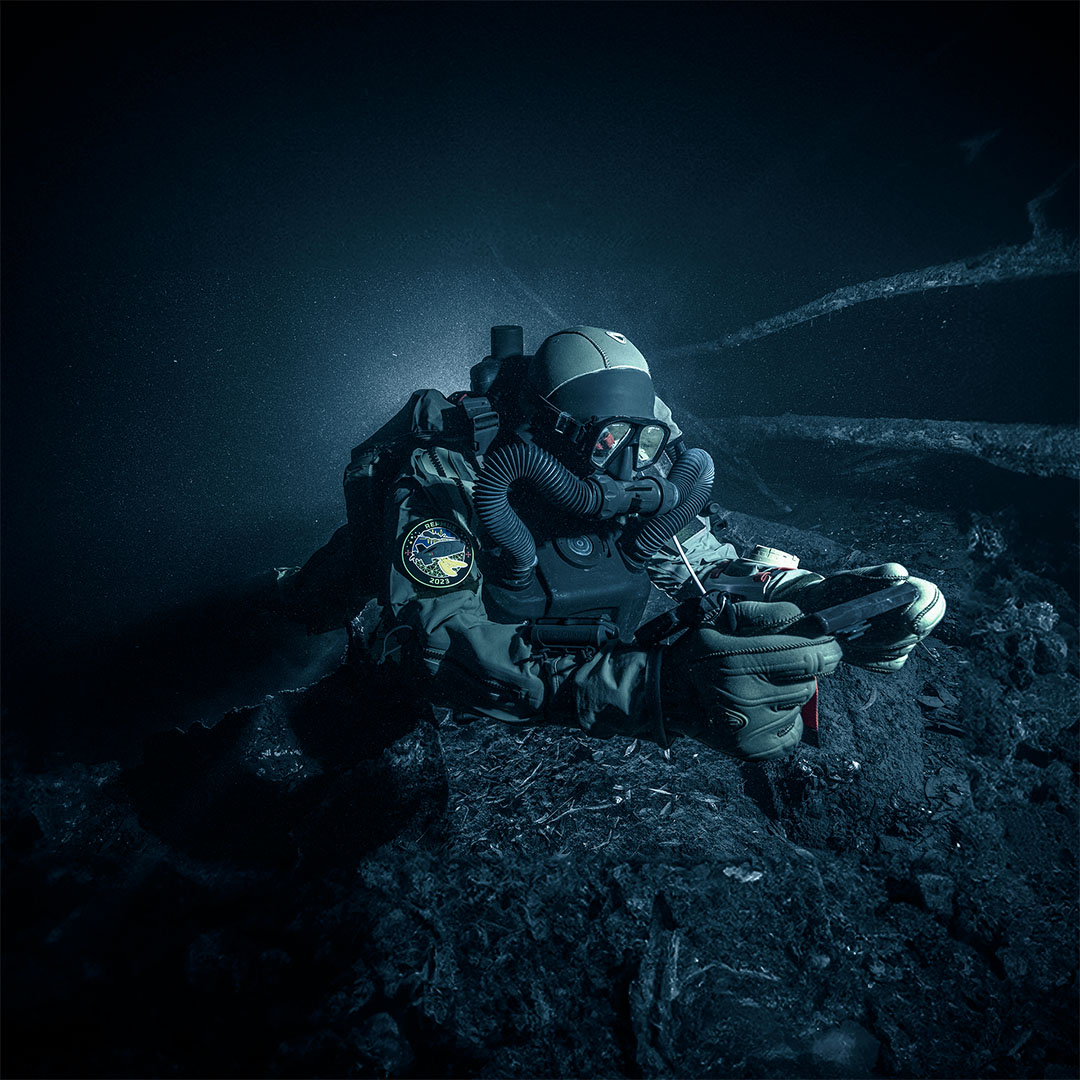
Scuba diver in full gear exploring a dark underwater environment, illuminated from behind.

Positioning and Communication in One

Positioning fixes are calculated simultaneously with transmissions of acoustic payload data - no need to switch between positioning and communication modes. One system for both communication and navigation reduces equipment load, simplifies deployment, and lowers costs.

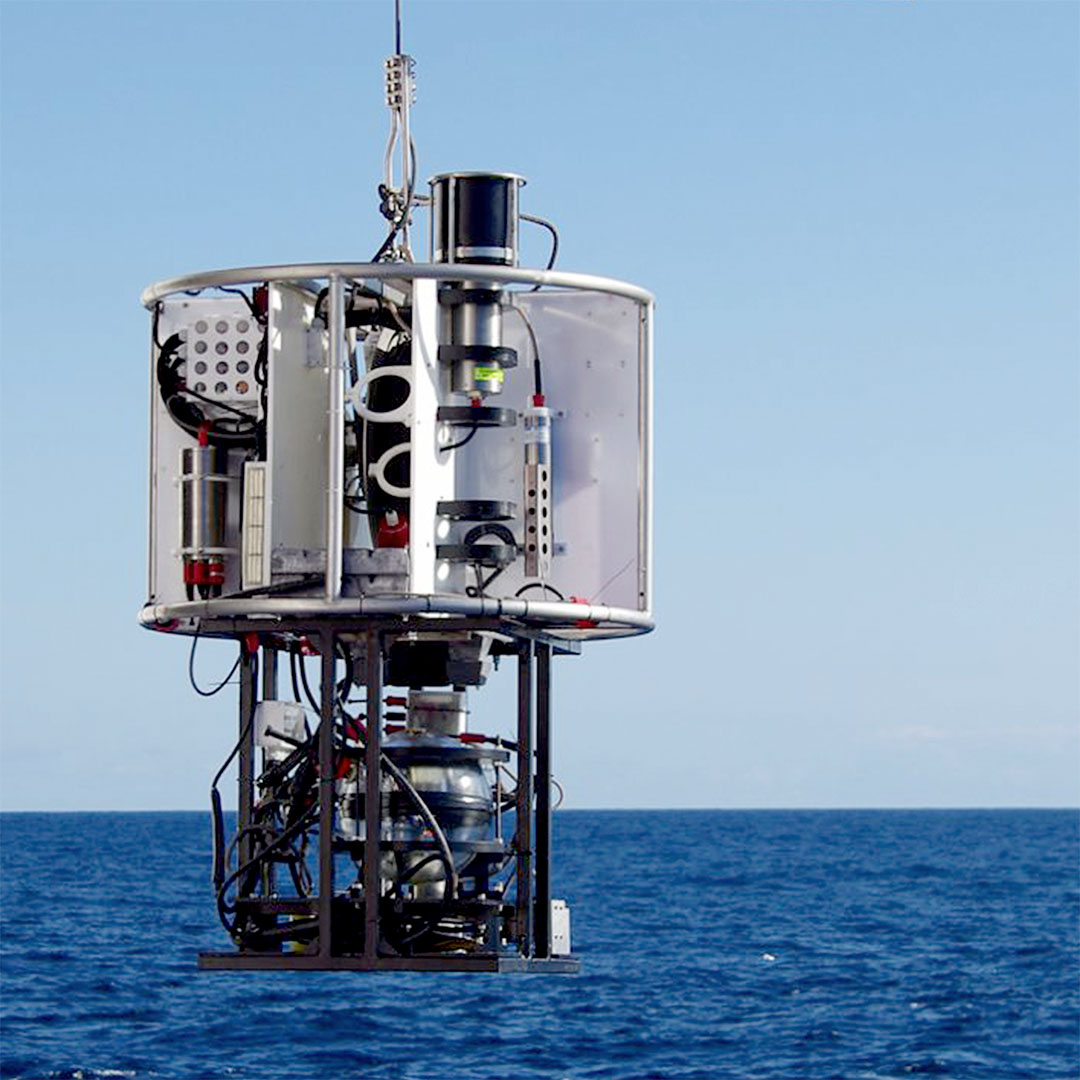
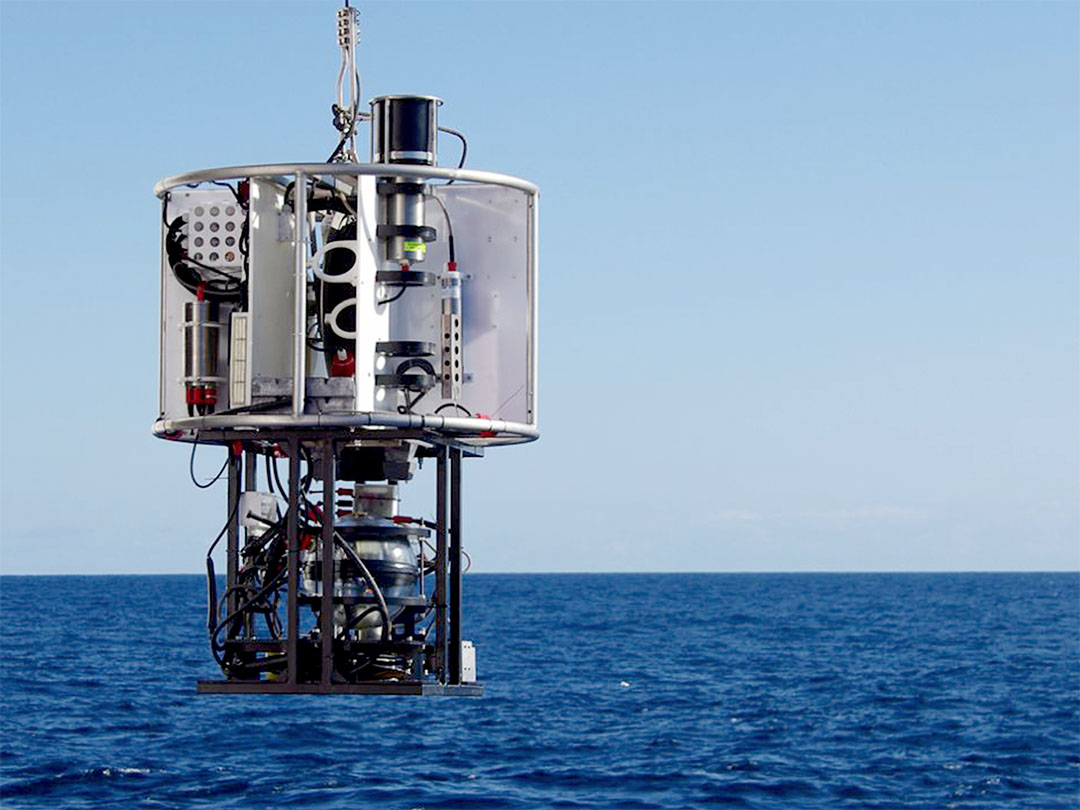
Scientific oceanographic instrument suspended above the sea surface with a clear sky background.

Supporting All Positioning Methods

With our backbone hardware and software technology, we can provide flexible solutions for any project scale - from compact, quick, and mobile deployments to large-area, long-term installations, and everything in between.

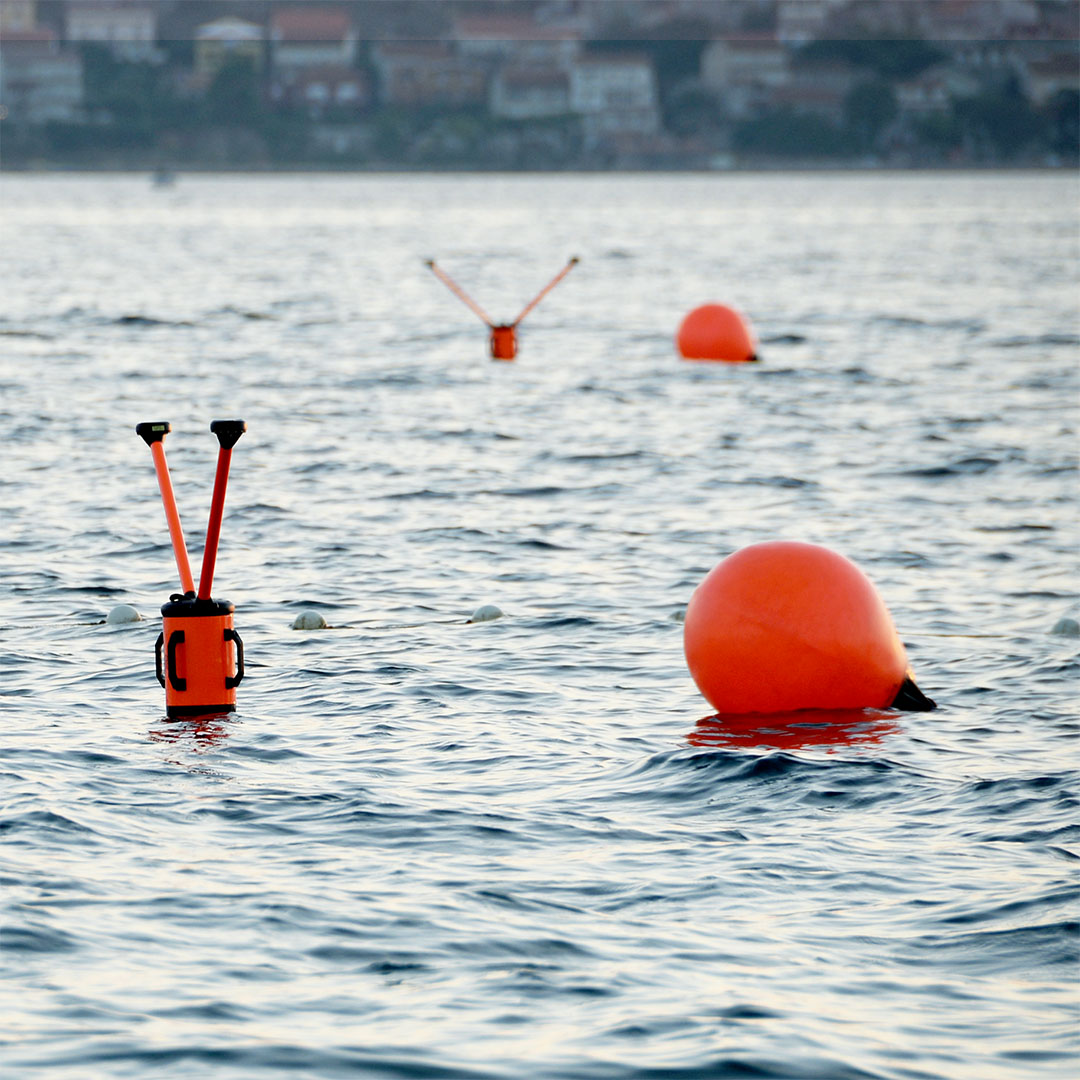
Orange water buoys floating on a wavy lake with blurry shoreline and houses in the background.

Scalable technology

Our underwater positioning solutions are scalable, providing a consistent, fixed positioning update rate across any number of synchronized assets. This enables efficient multi-vehicle and multi-sensor operations without compromising accuracy.

Underwater scene with three colorful light trails curving upward through dark water above rocky seabed.

Reliable Performance

Adaptive S2C acoustic protocol for stable, full-duplex communication and positioning link in challenging underwater environments.

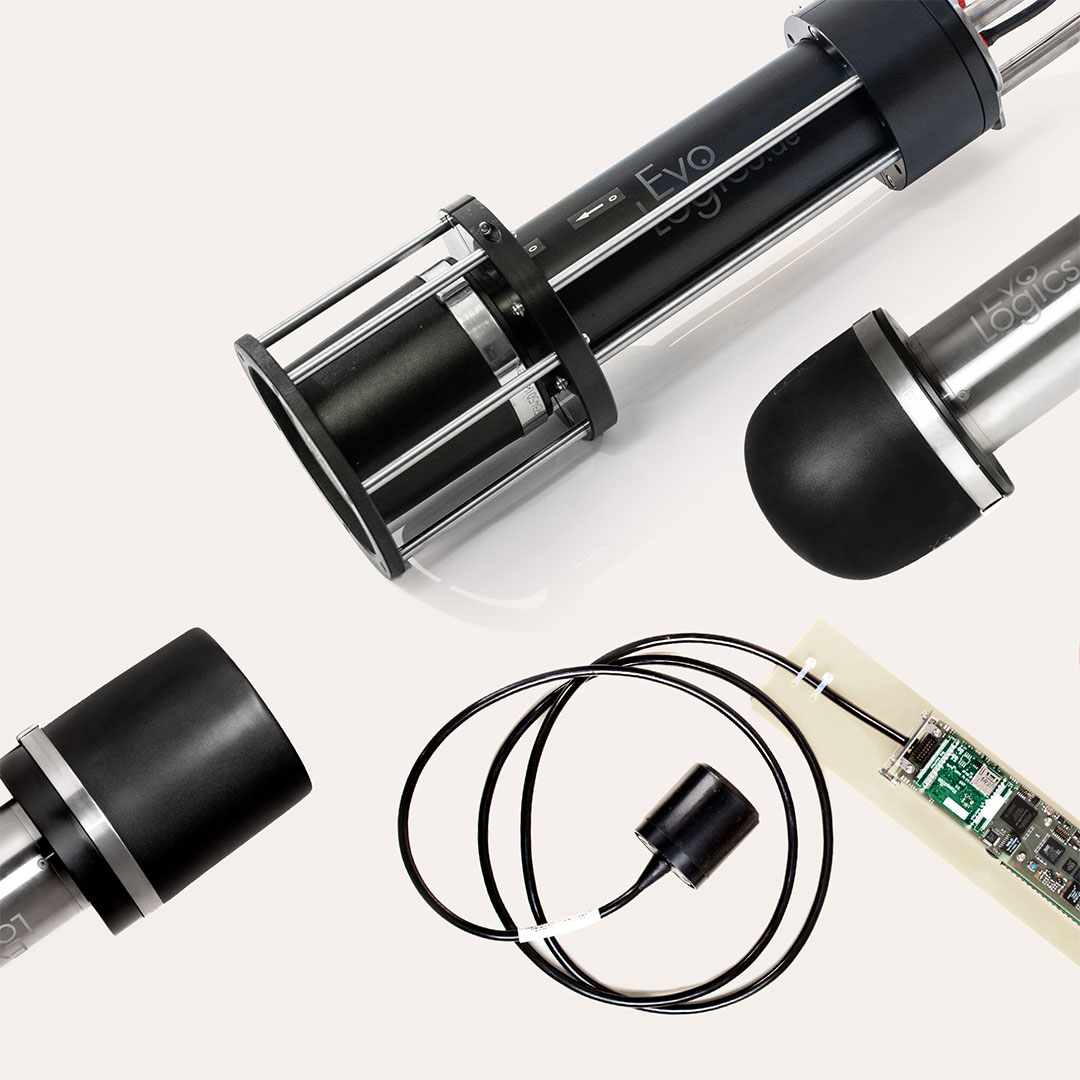
Close-up of black and metallic cylindrical electronic components and a circuit board with connected cables on a white background.

Wide Range of Options

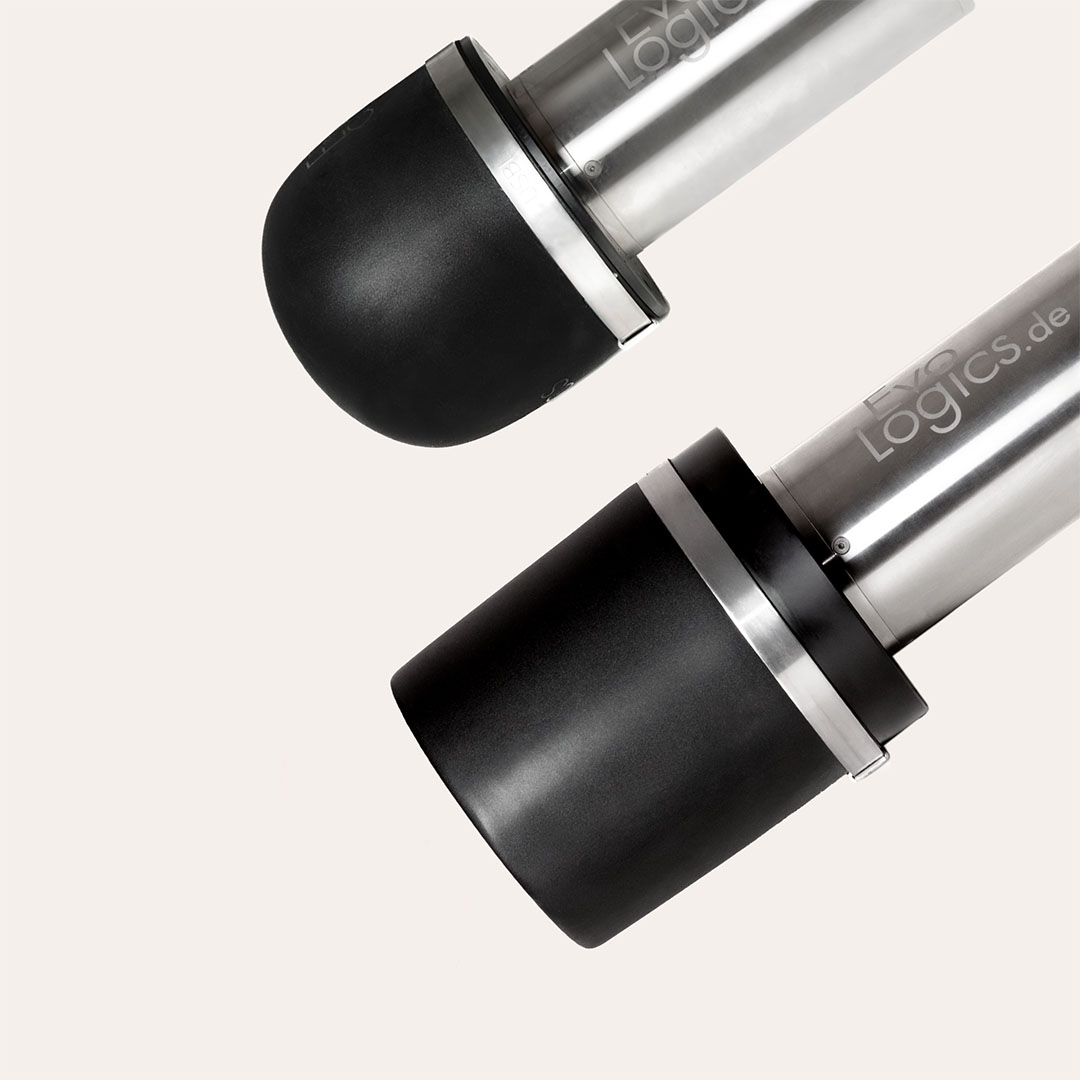
Our base models are available in multiple frequency ranges, directivity patterns, form factors, and depth ratings to fit any application scenario.

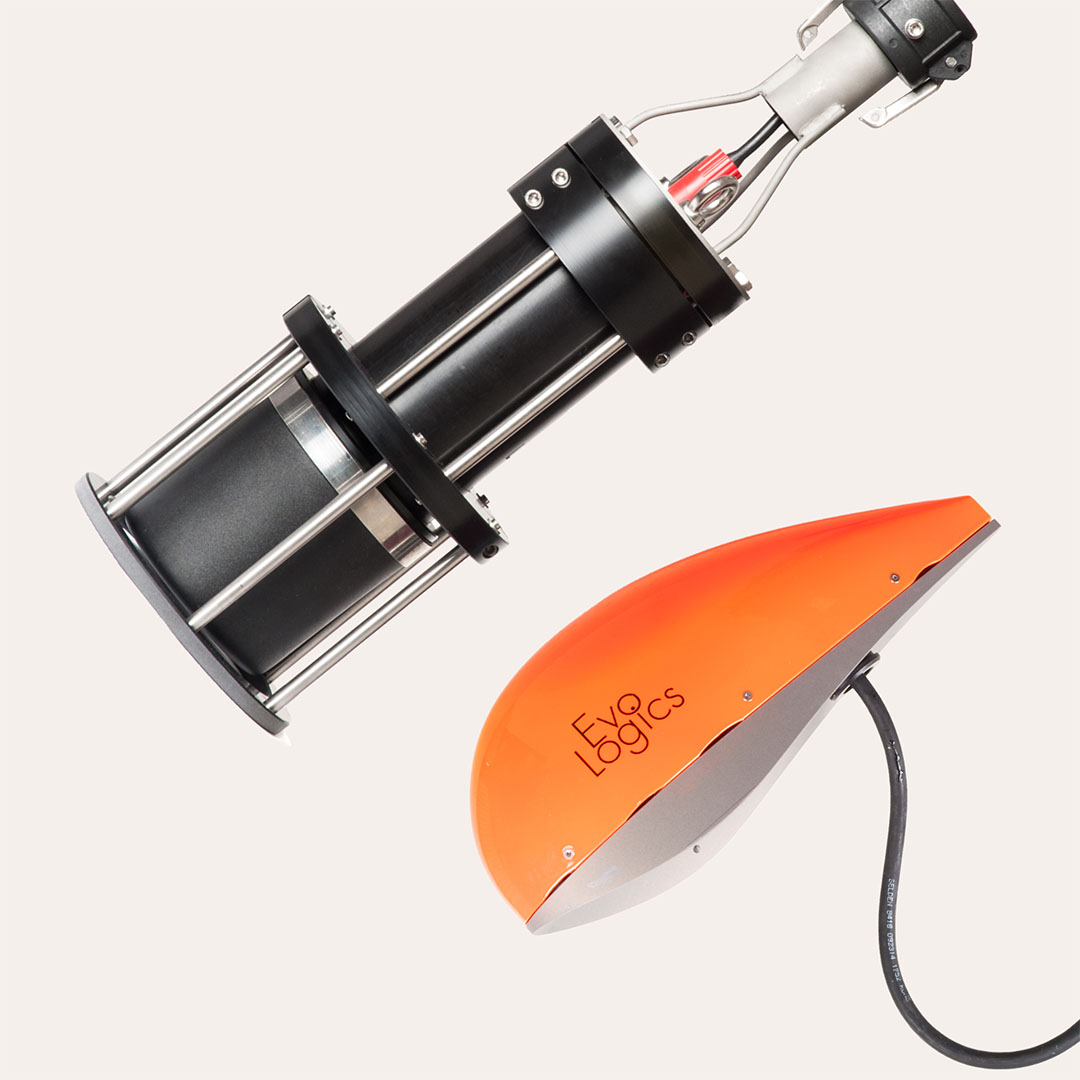
Underwater positioning sensor device with a black cylindrical component and an orange casing labeled 'Evo Logics'.

Seamless Integration

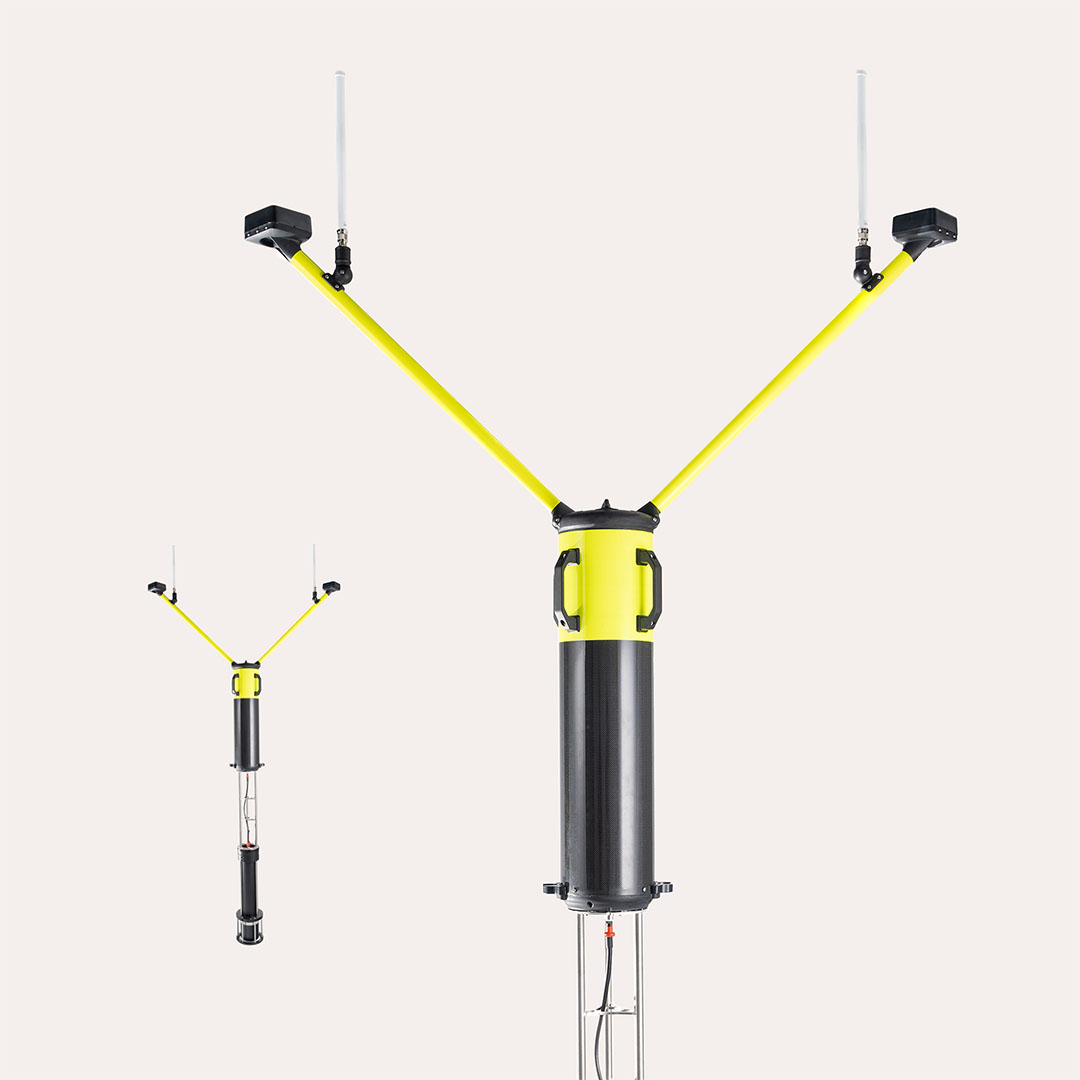
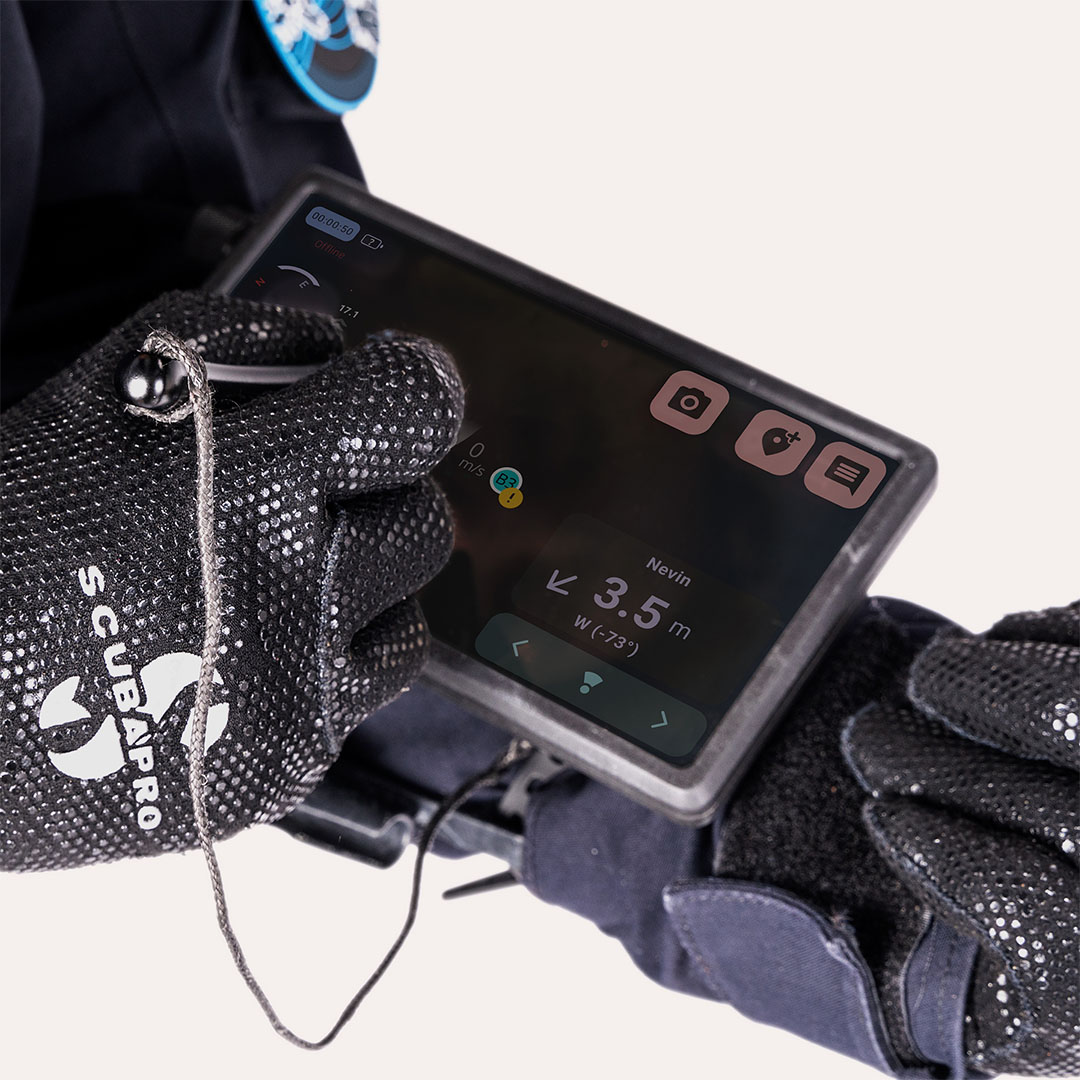
Build options for uncrewed vehicles, diver systems, sensor stations, or fixed subsea infrastructure, modules for power management, remote activation/recovery, and precise synchronization to ensure smooth integration across platforms.

Blurred blue lines and dots of digital data on a dark background representing abstract technology or code.

Robust Feature Stack

Advanced data delivery, addressing, and networking capabilities, combined with a comprehensive command set, enable custom software stacks for complex data handling.

Underwater Positioning

Our Underwater
Positioning Solutions

We offer a full range of acoustic positioning products compatible with USBL, SBL, and LBL systems. Depending on your operational needs, our products can be deployed as out-of-the-box solutions or as part of customized projects.

SBL & LBL Solutions – Custom Projects

Short Baseline (SBL) and Long Baseline (LBL) systems are highly accurate but generally require project-specific setup. These are not “off-the-shelf” products, but rather customized solutions that ensure maximum precision and long-term reliability.

These systems involve:

  • Calibrated transponder arrays on vessels (SBL) or seabed/buoys (LBL)

  • Precise georeferencing and pre-deployment system configuration

  • Detailed planning to maximize coverage and accuracy

Based on the specific operational requirements, we provide custom-designed SBL or LBL systems. This includes selecting the most suitable base models from our acoustic product range and the combination of hardware and software add-ons for optimal performance, operation-specific firmware customizations, and integration with external sensors and instruments to enable multi-sensor data fusion for enhanced accuracy and reliability.

The result is a tailored solution built to match the exact scope of your operations.

Orange underwater sensor buoy labeled EvoLogics suspended above the seafloor in clear blue water.

Underwater Positioning

How does it work

Underwater, electromagnetic waves do not travel far, so radio-based sensing and positioning technologies widely used on land cannot be directly applied subsea. Instead, acoustic methods using sound waves are employed.

In essence, the asset to be located carries an acoustic transponder that responds to interrogation signals sent by a reference system. By measuring the travel time (range) and/or direction of arrival (bearing) of the response, the asset’s position can be calculated relative to the reference point.

Underwater Positioning

USBL, SBL, LBL - deciphering the difference

Underwater positioning systems are generally divided into three main types based on the size of their baseline (the distance between reference points used for positioning).

USBL
(Ultra-Short Baseline)

How it works

A small array of hydrophones, centimeters apart, measures the angle of arrival and travel time from the target’s transponder. This USBL antenna is usually integrated with an acoustic modem into a compact single unit.

Strengths

Quick deployment, compact, suitable for mobile operations.

Limitations

Accuracy decreases with distance; sensitive to multipath reflections off the seafloor and surface.

Typical use

Shallow-water operations, search and rescue, diver or ROV tracking.

SBL
(Short Baseline)

How it works

Several hydrophones mounted on a vessel form a baseline comparable to the ship’s size. Positions are calculated from travel times or angles.

Strengths

Higher accuracy than USBL at moderate ranges.

Limitations

Time, cost and effort on vessel-mounted installation; requires precise calibration and compensation for vessel motion.

Typical use

Medium-range vessel-based operations.

LBL
(Long Baseline)

How it works

Widely spaced seabed or buoy transponders form a large baseline. The target exchanges signals with multiple transponders, and its position is calculated by triangulating ranges.

Strengths

Highest accuracy, stable across coverage area and depth-independent, less affected by multipath interference.

Limitations

Complex and time-consuming deployment, setup and calibration; requires specialized equipment and expertise.

Typical use

Deep-sea exploration, scientific research, long-term monitoring.

Hybrid Systems

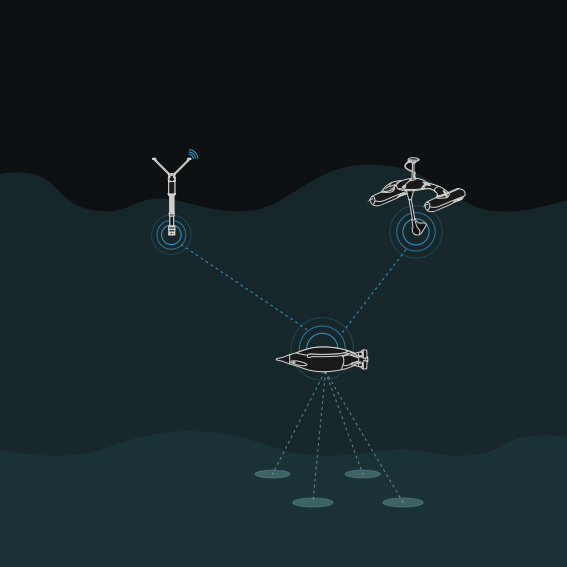
Mix elements of USBL, SBL, and LBL to balance accuracy and deployment speed.

Specialized Methods

UUV navigation combining dead reckoning through inertial measurement units (IMU) with doppler velocity logs (DVL) and intermittent USBL/LBL fixes for periodical GNSS locks, status updates and command transmissions

Underwater Positioning

How Positioning Data Is Computed

Positioning and navigation systems also differ by computation location.

Self-Positioning Systems - Onboard Computation

How it works

The asset itself computes its position using signals from reference transponders.

Advantages

Real-time positioning on the asset; ideal for autonomous UUV missions.

Limitations

Requires onboard computing resources, sensors, and synchronized clocks.

Examples

USBL or LBL-equipped AUVs computing positions from seabed or surface beacons.

Remote-Positioning Systems - Reference-Based Computation

How it works

The reference system computes the asset’s position from signals received from its transponder.

Advantages

Reduces payload and complexity on the asset; central tracking of multiple assets; computed position can be sent back to the asset.

Limitations

Asset depends on communication to receive position; requires a reliable acoustic link.

Examples

USBL systems tracking divers or ROVs.

Contact

Which system do I need

We design all types of positioning systems and can provide expert guidance for any operation scenario.

Whether your assets operate in shallow waters, deep seas, over short ranges, or across extended perimeters, we can recommend the optimal system configuration.

Get in touch and share your application outline - we are here to find the best solution for your project.

All information you provide us is treated with strict confidence and stored only in relation to your request.

Marine scientific instrument suspended above ocean water under a clear blue sky.